Abstract

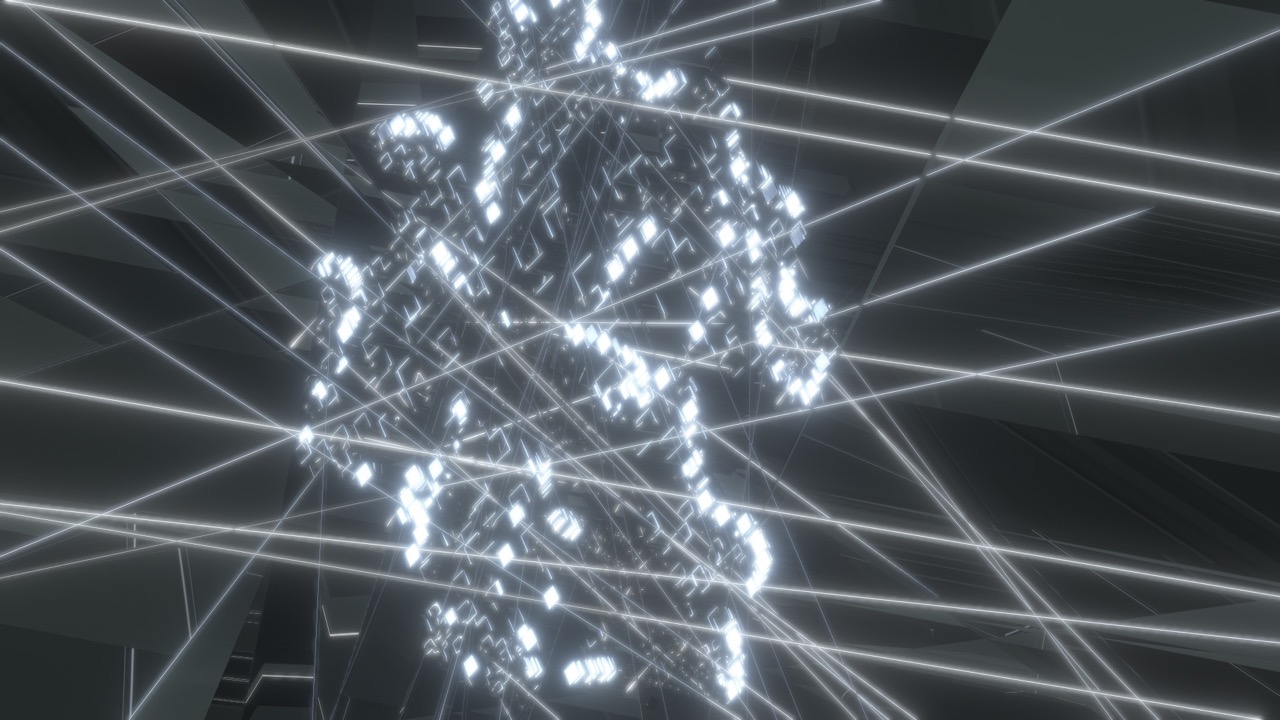
This portfolio is an exploration of digital, computational, tool oriented and everything that one might encounter in between.


✧・゚: *✧・゚:* *:・゚✧*:・゚✧✧・゚: *✧・゚:* *:・゚✧*:・゚✧݁ ✧・゚: *✧・゚:* *:・゚✧*:・゚✧݁ ݁

Chapter 1.Cellular Automata: Case Study

box_publication.jpg

box_publication_interactive_poster.jpg
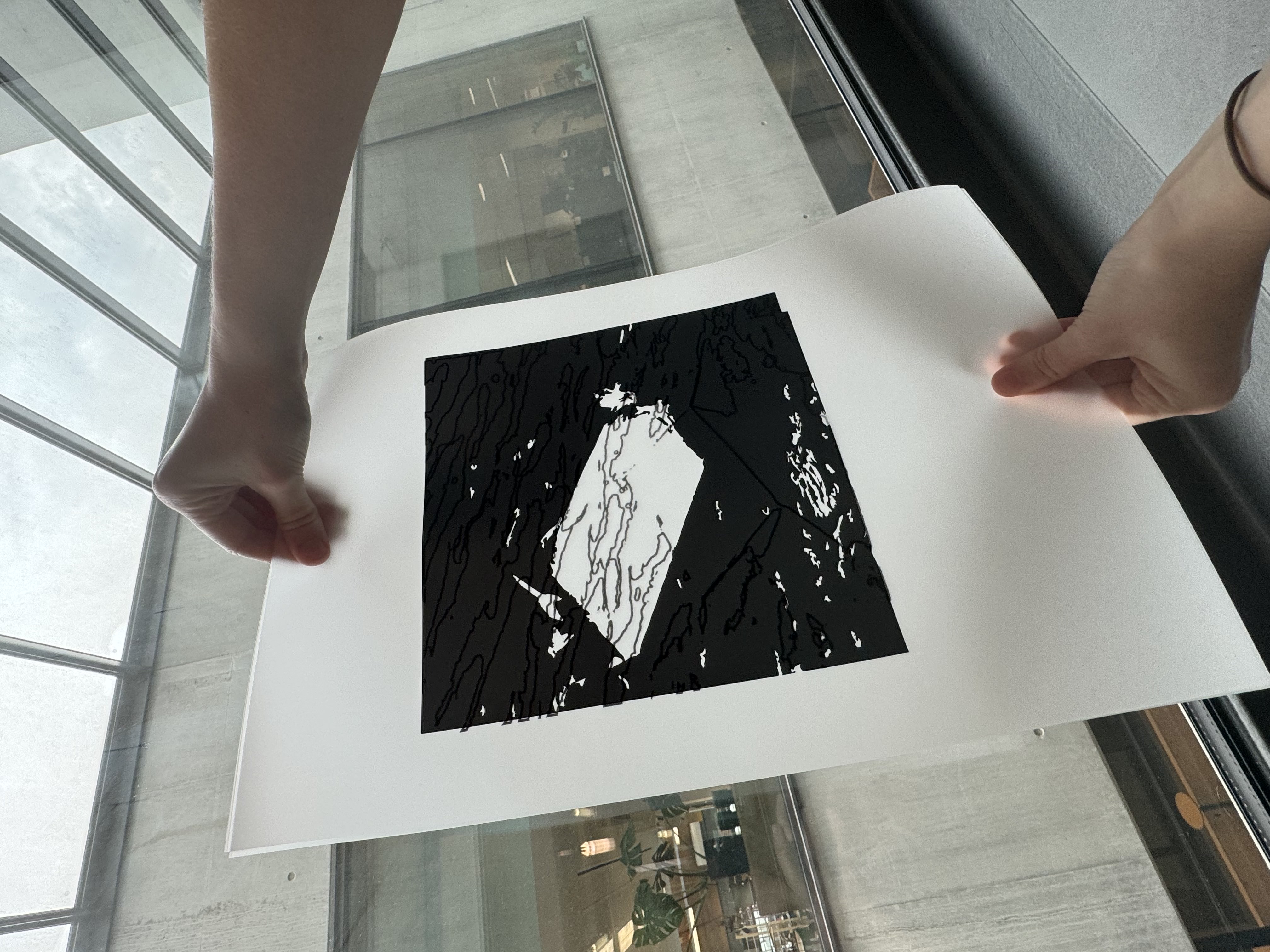
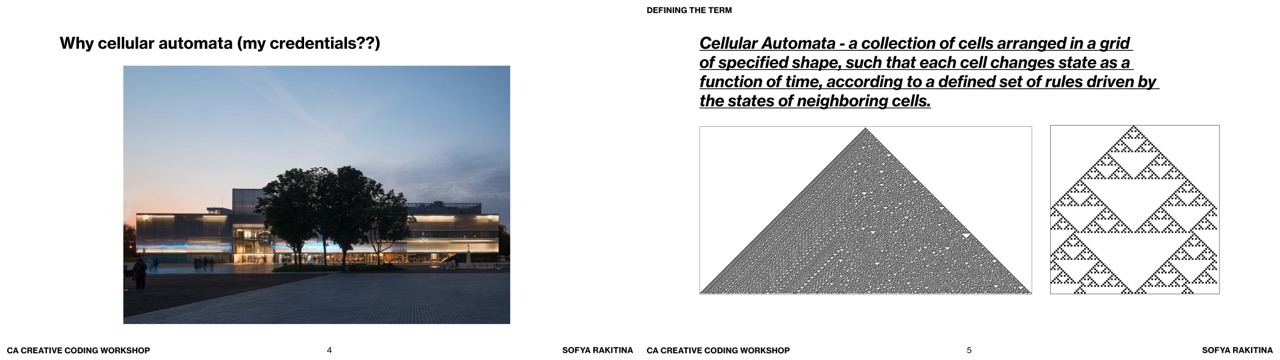
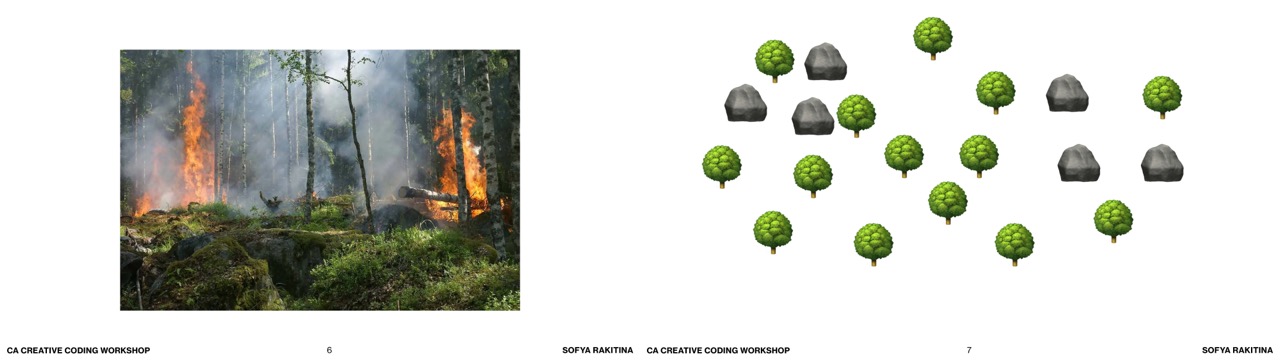
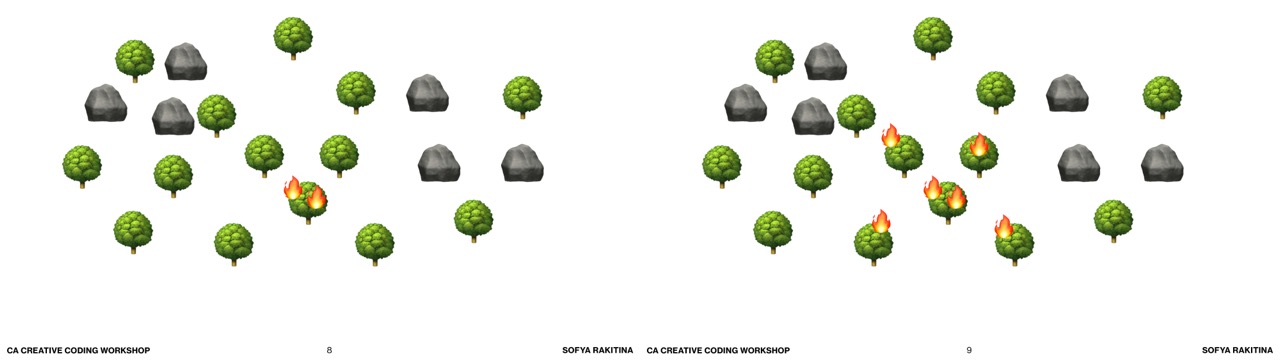
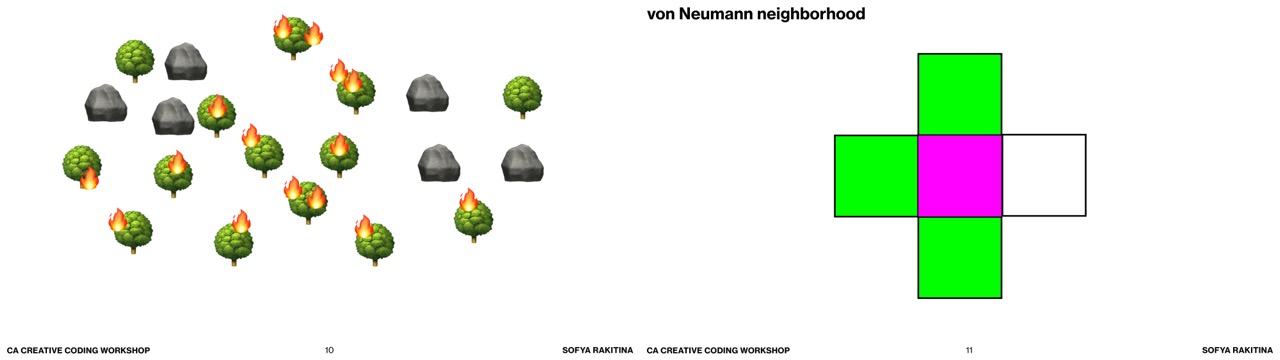
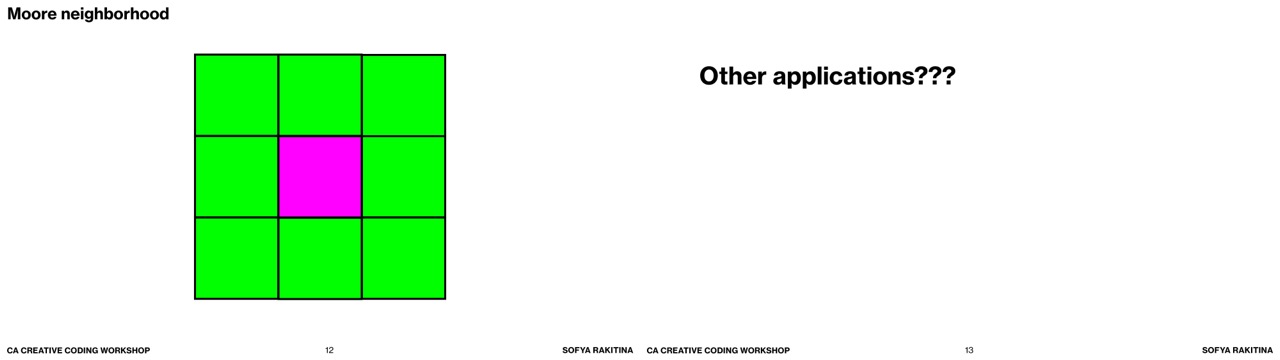
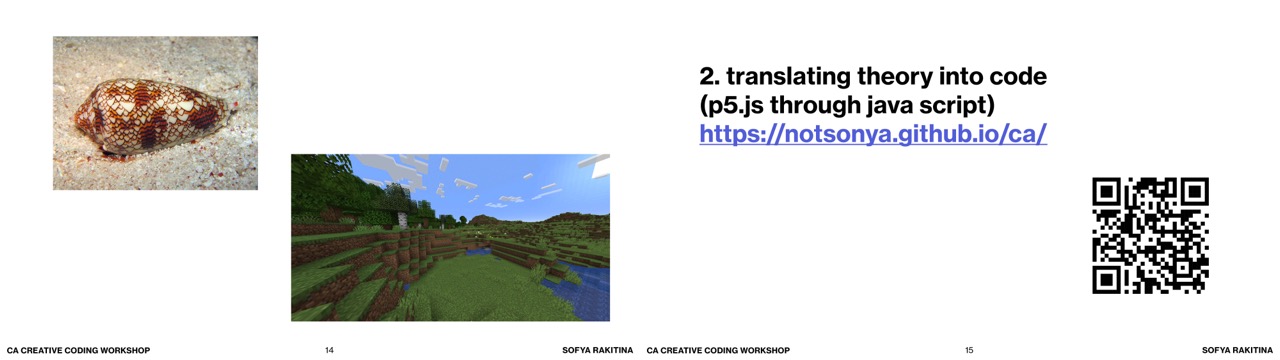
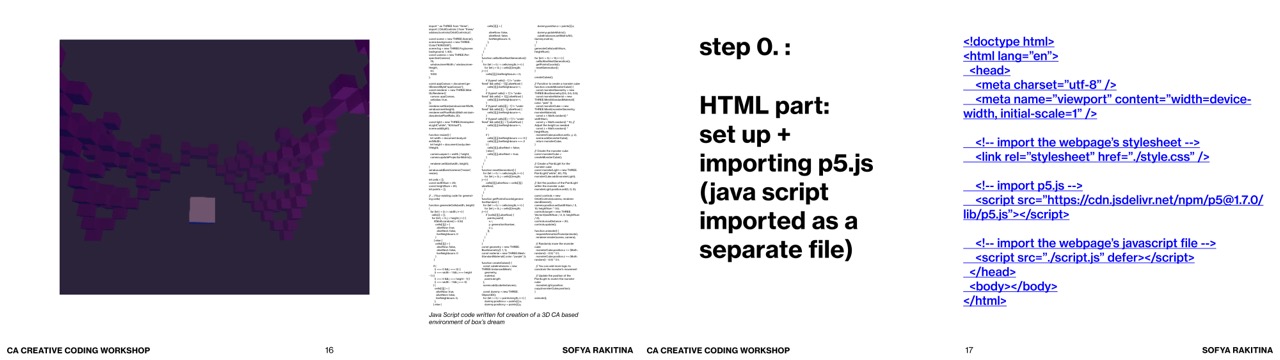
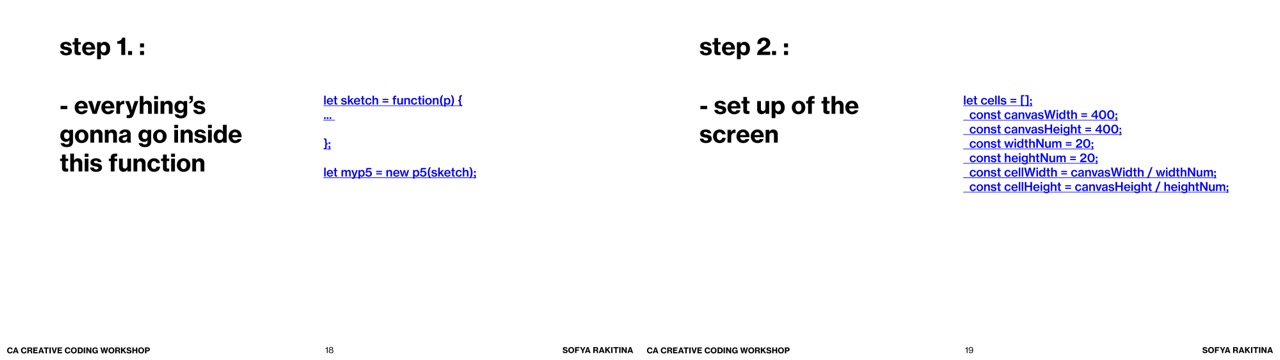
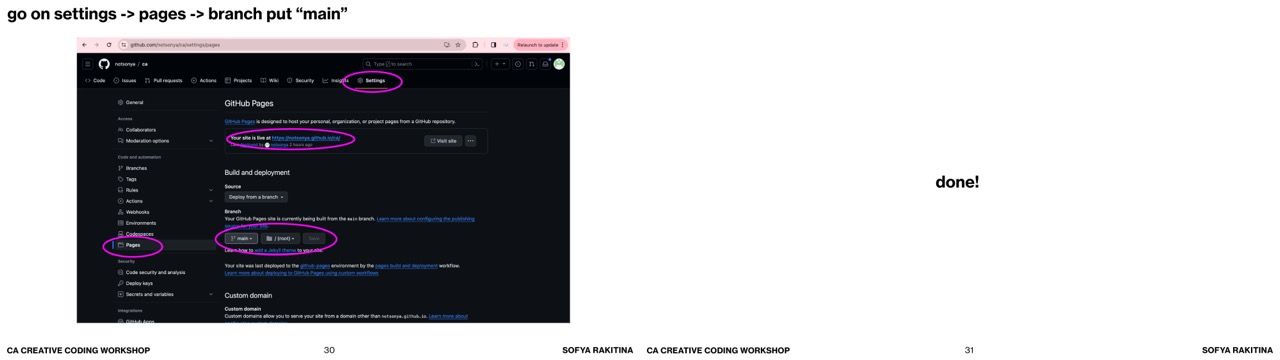
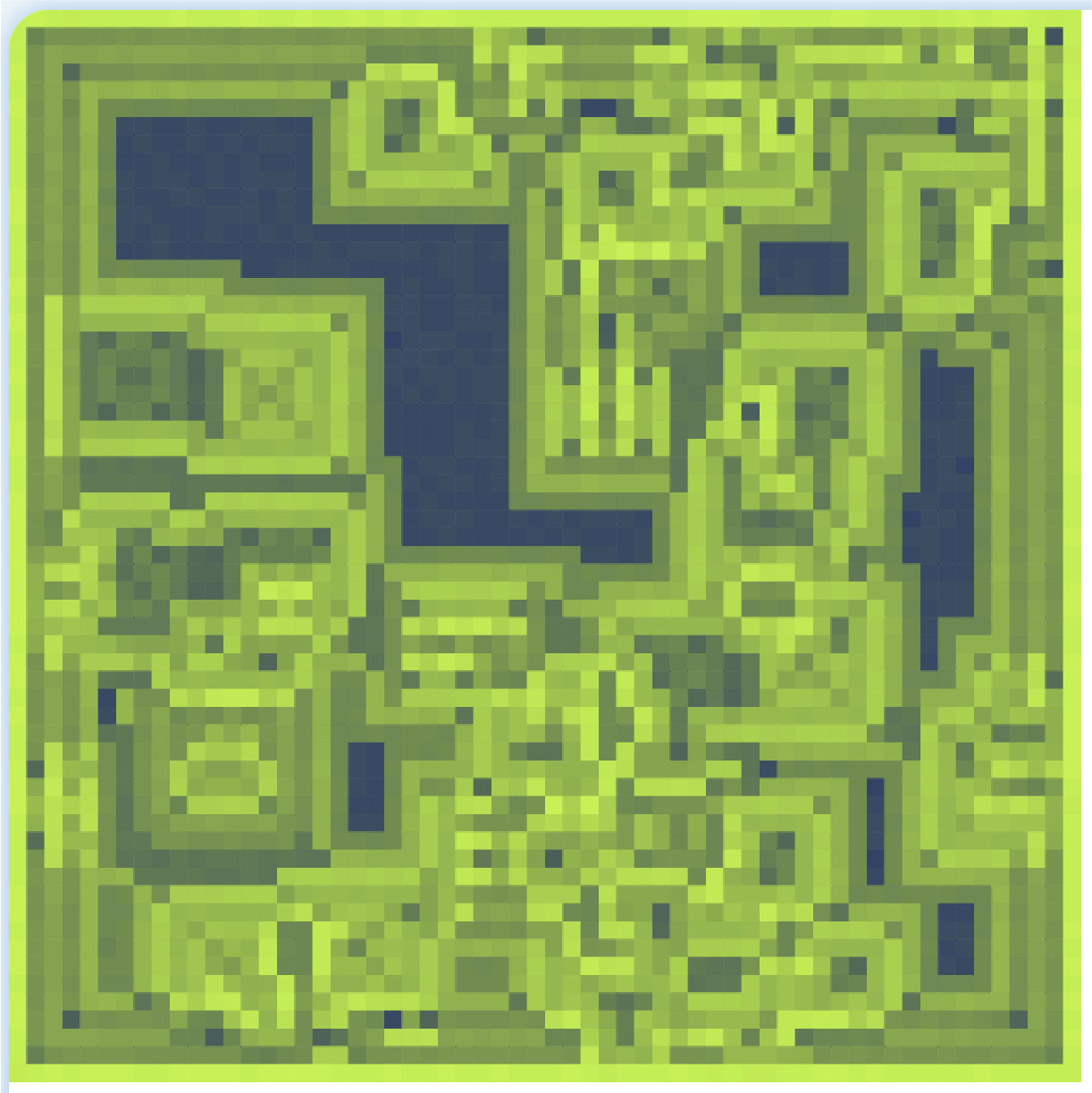
“What is it like to be a box?” was originally meant to be a stand alone speculative publication exploring cellular automata as means for narrative construction around inanimate objectsNagel, T., Ulrich Diehl and Philipp Reclam Jun. Gmbh & Co (2016). What is it like to be a Bat? Ditzingen Reclam, Philipp.

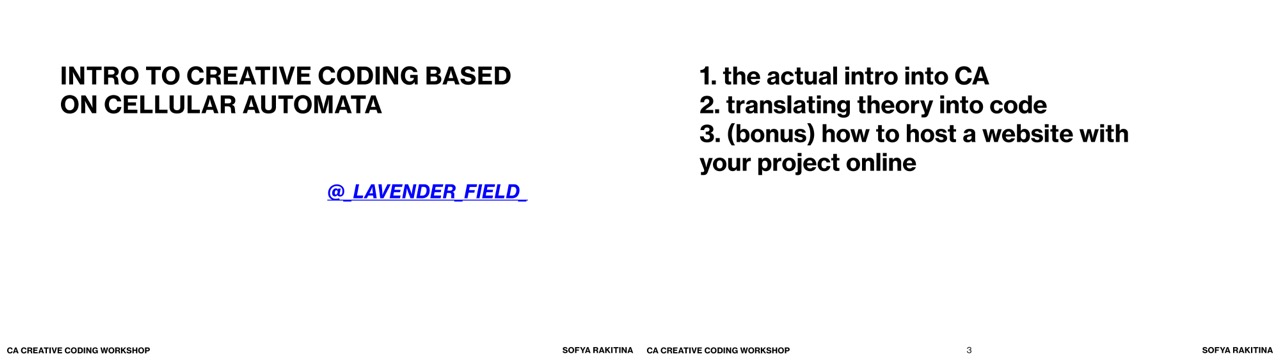
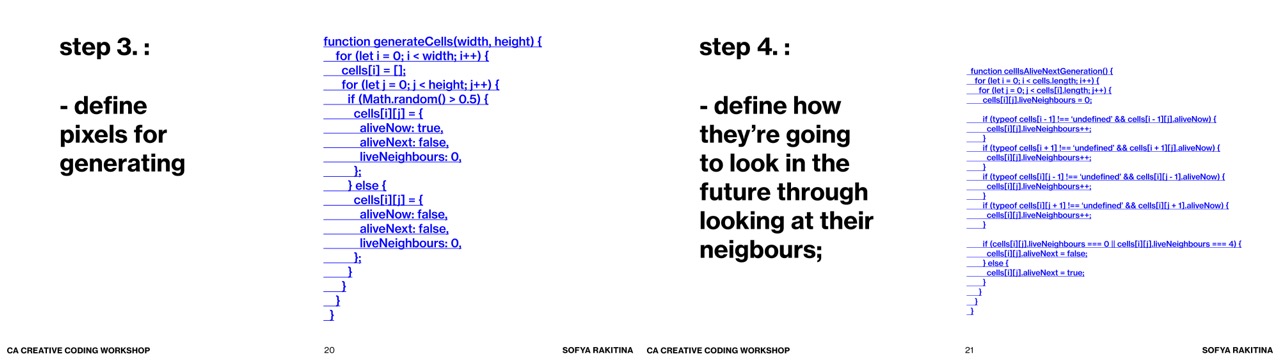
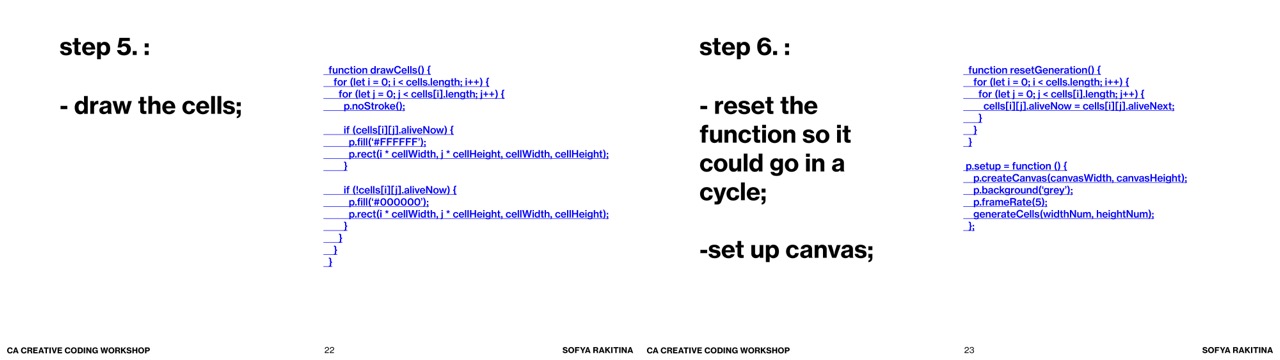
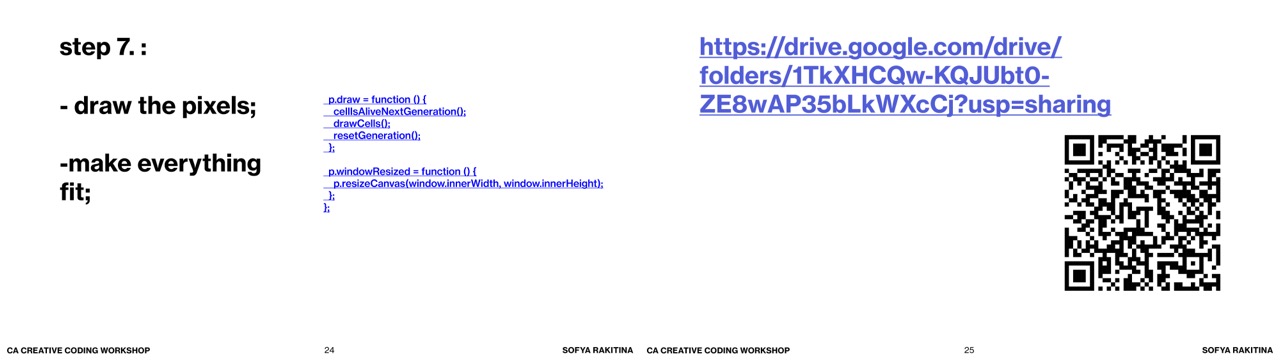
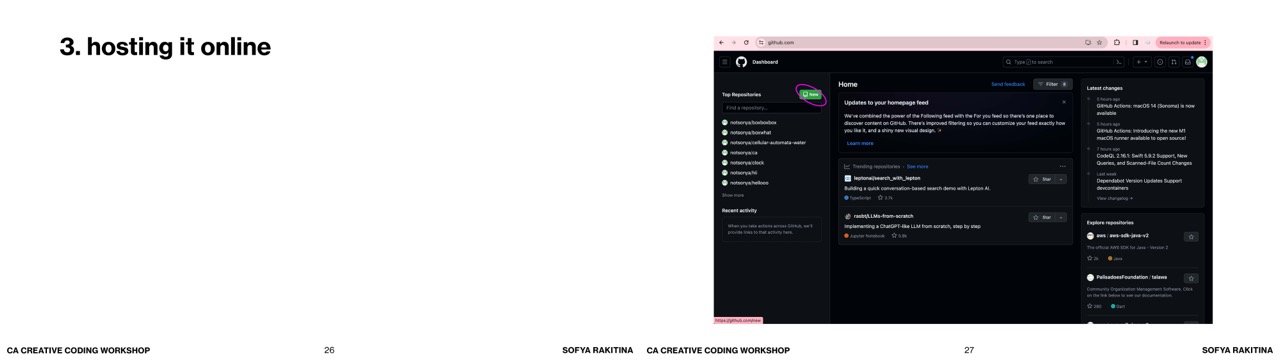
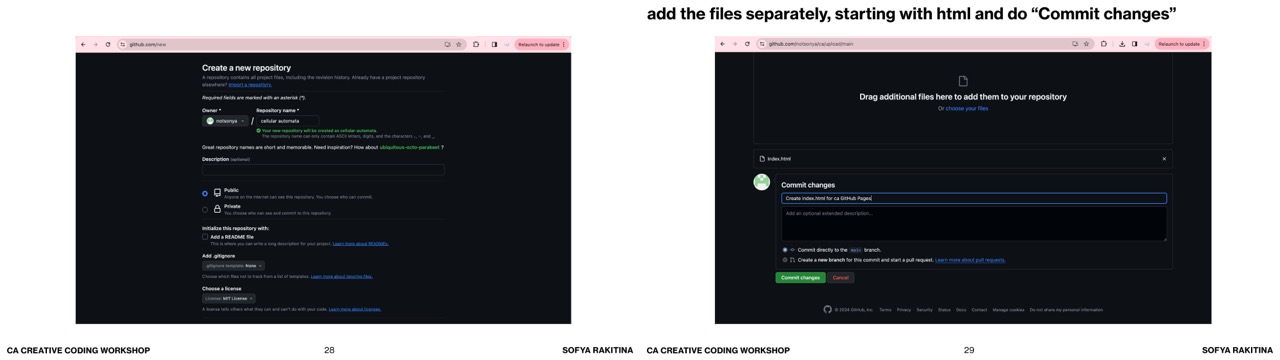
with the help of THREE.js and p5.js libraries. It then became a workshop on simple toolmaking and hosting a simple website online that I held for design students.


CA_workshop.jpg
CA_workshop.jpg
CA_workshop.jpg
CA_workshop.jpg
CA_workshop.jpg
CA_workshop.jpg
CA_workshop.jpg
CA_workshop.jpg
CA_workshop.jpg
CA_workshop.jpg
CA_workshop.jpg
CA_workshop.jpg
CA_workshop.jpg
CA_workshop.jpg
CA_workshop.jpg
box_perception_earth.jpg
box_perception_sun.jpg
physical_computing_prototype.gif

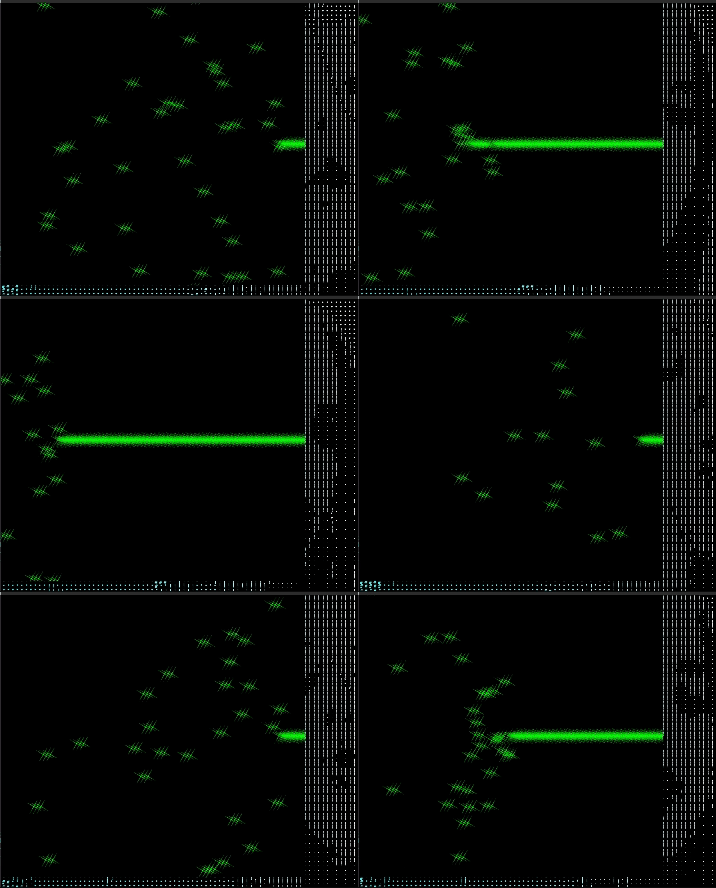
CA diffusion algorythm

//press to interact.

Aa a part of it I also held a discussion around procedural storytelling and the need for alternative tools when it comes to designing escaped realities.Rao, V. (2015). On the Design of Escaped Realities. [online] Ribbonfarm.com. Available at: https://www.ribbonfarm.com/2015/01/16/on-the-design-of-escaped-realities/ [Accessed 14 Nov. 2024].


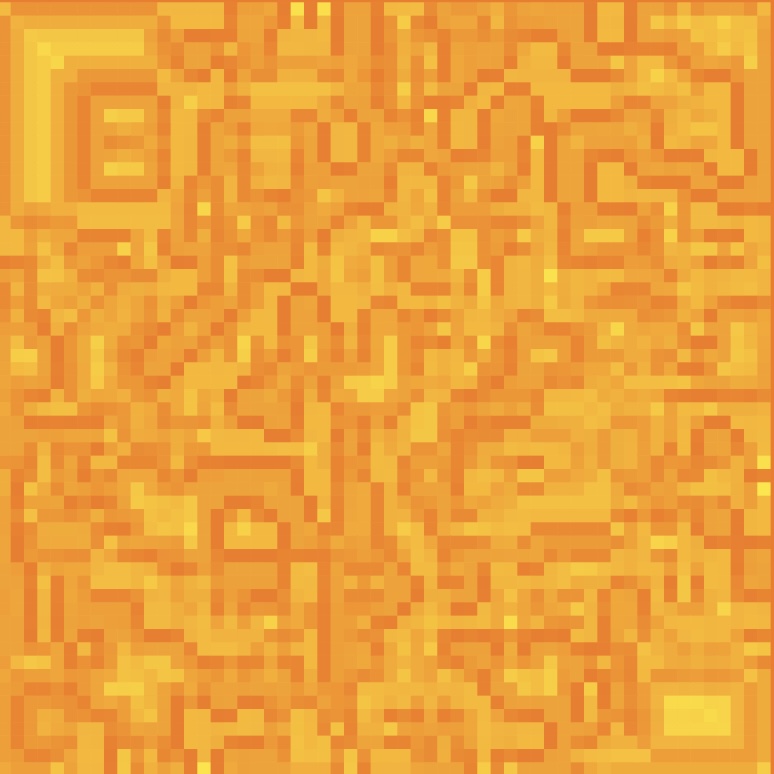
I also wanted to showcase a possibility of this tool taking a physical form so it turned into a simple animation of diffusion run on a hand soldered LED screen (runs on Python).

Later on I was asked to design a website for a multidisciplinary collective where I also ended up utilising this tool.

CA_web_design_use.jpg
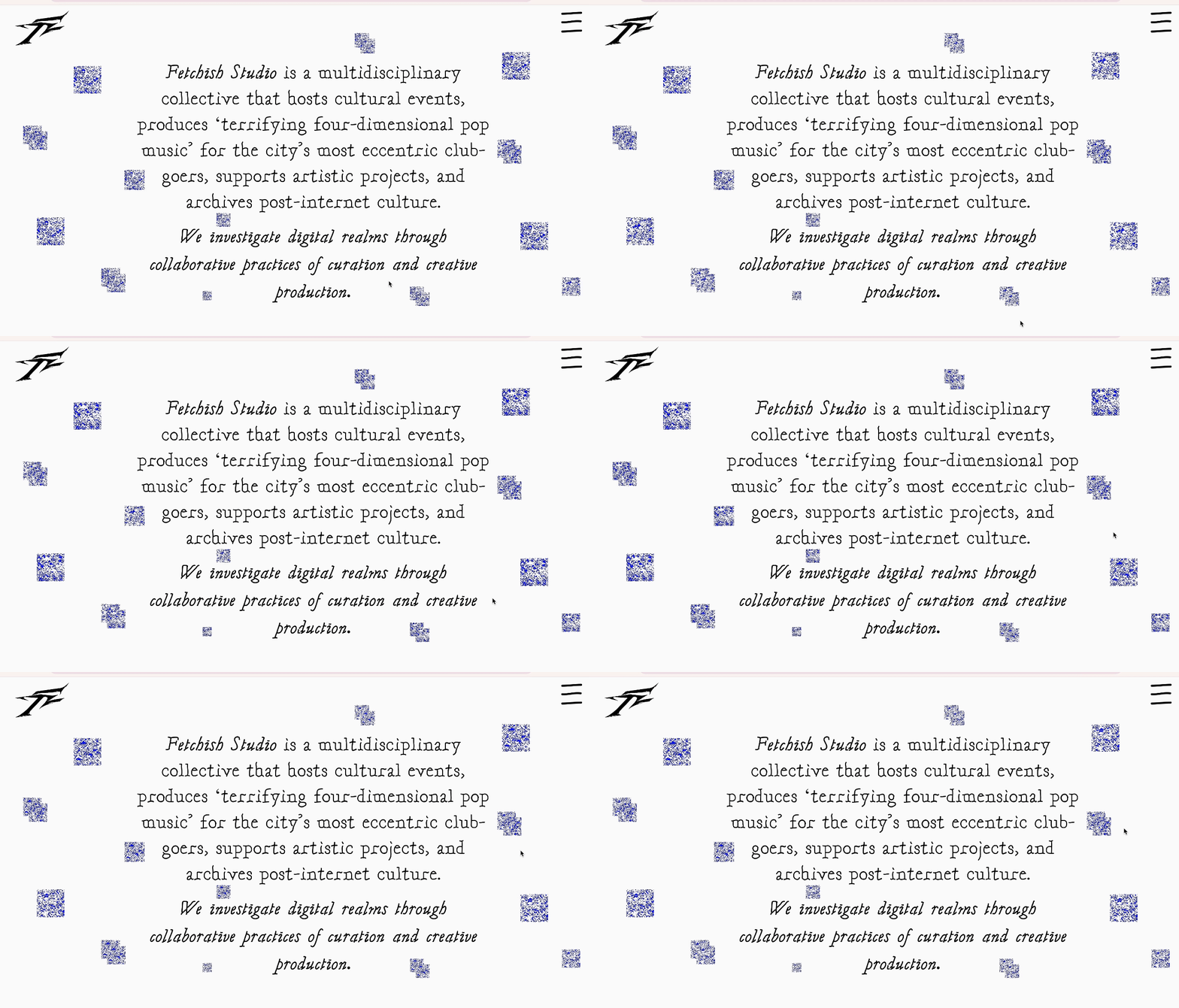
Fetchish Studio is a multidisciplinary collective based in London.
Chapter 2.AI in Live Perfomance

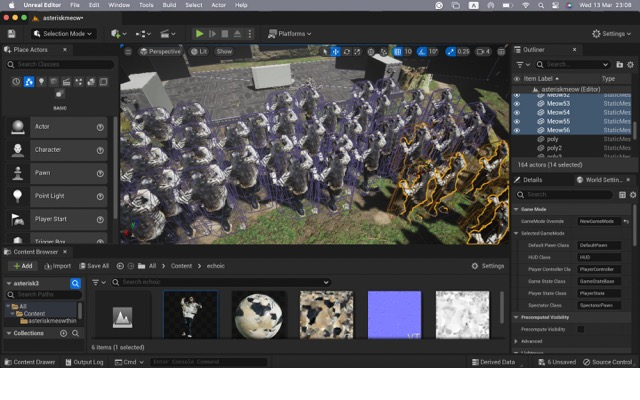
prototypeVisualisation_ue5.jpg

prototypeVisualisation_sketch.jpg

prototypeVisualisation_ue5_process.jpg

visualiser.jpg

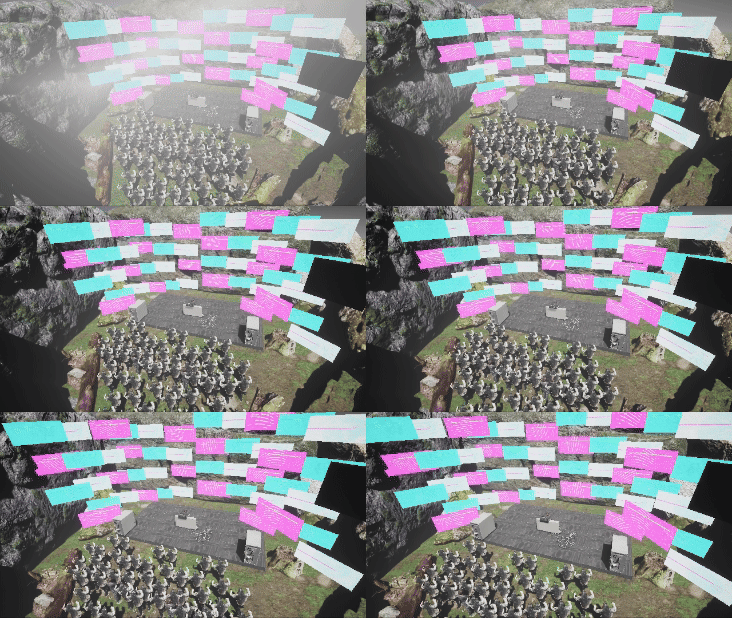
The project is designed to create a more inclusive festival concert allowing those who don’t have a possibility to attend in person to feel included. The main feature include sa digital API where the audience can directly participate in the event from the comfort of their home.

The digital interface is built in such a way that although being speculative it is a fully functioning prototype. With the help of synthetic media - machine learning algorithm it can transmit the video recording of participants in a safe and anonymous way. When building an app or website, it’s important to have checks in place to prevent users from breaking it with harmful or unexpected inputs. The same idea can be applicable to concerts especially if attempting to manage a lot of LIVE data at the same time. This way machine learning frameworks like Torch, for example, can analyze video feeds to recognize what’s happening in real-time by filtering out invalid outputs.

prototypeProcess.jpg

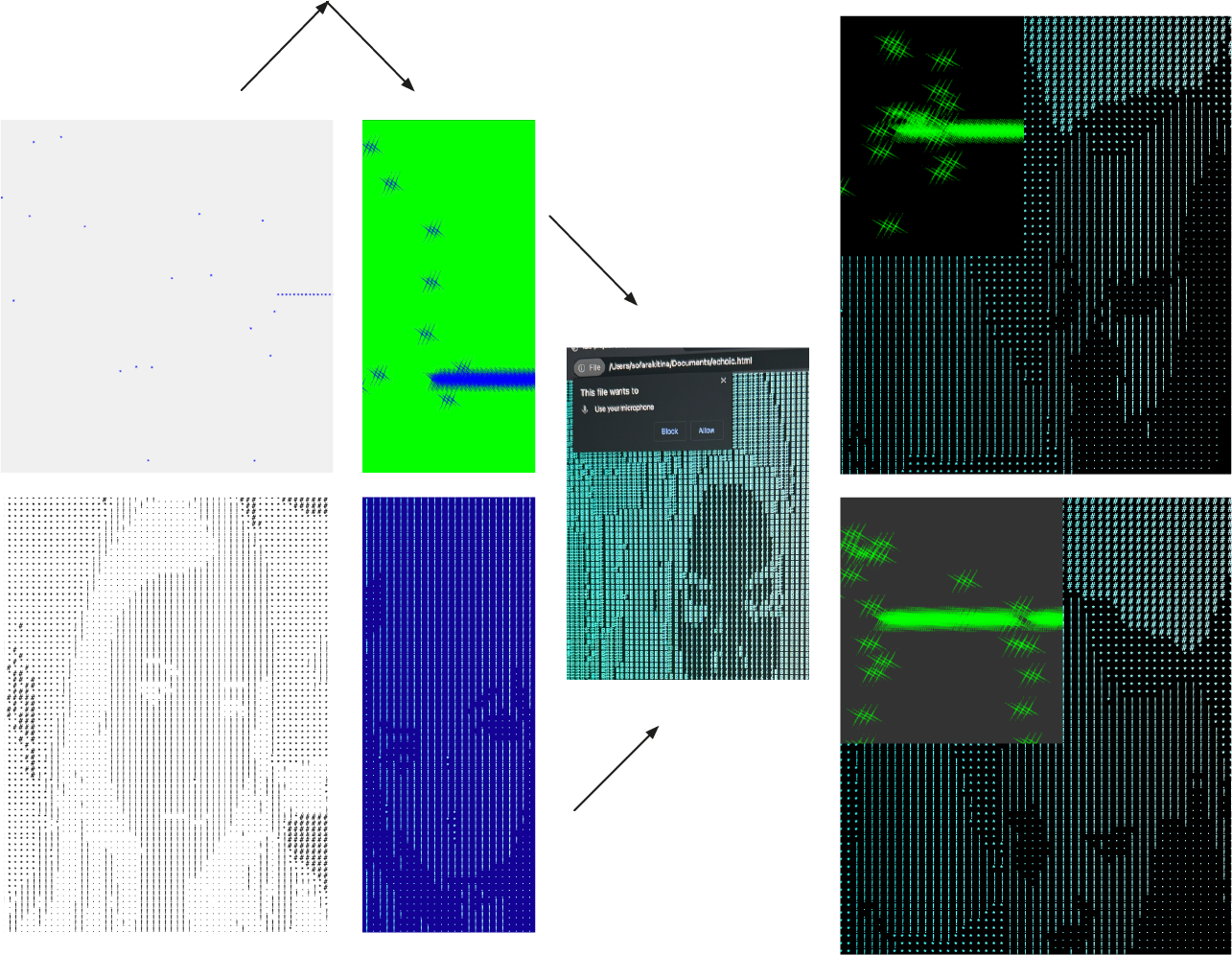
For the visual language I decided on using ASCII as it allows the audience members to be both anonymous but recognisable to themselves.

user_testing.jpeg

When making a tool for the audience participation I also wanted to test out the opposite of it on a smaller scale and so, it ended up being a part of an exhibition “Overwhelmed by Images” held in Amsterdam, Netherlands. Drawing on the inspiration from early Internet aesthethics the installation invites to interact with computer through gestures.

LIVE_perfomance_version.jpg

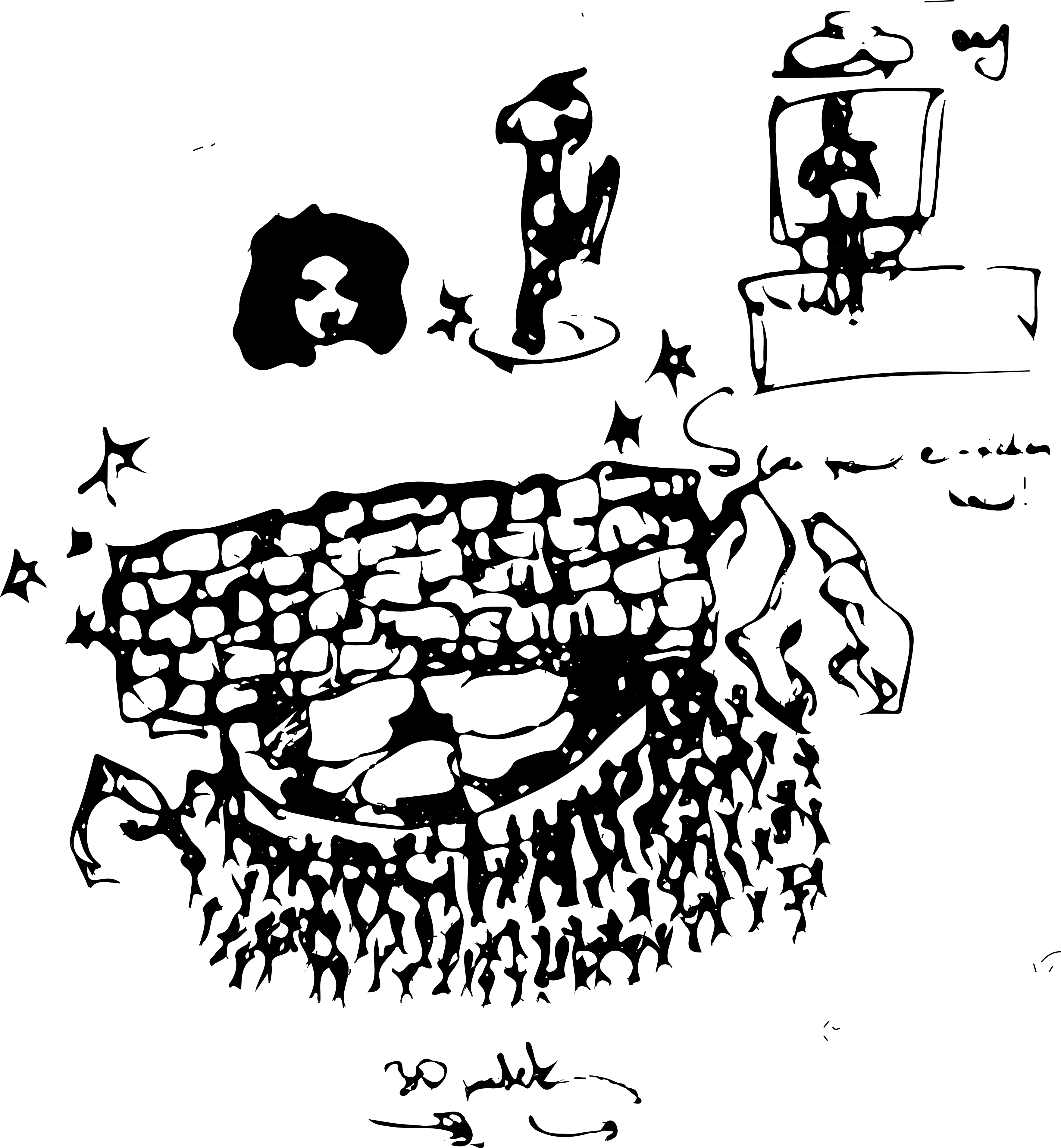
Written for "Everyone is a Girl: The Play" performed at "I AM OVERWHELMED BY IMAGES" in Amsterdam, Netherlands

Chapter 3.Brownian Trees

metal_and_moss_soldered.jpg

web_platform_prototype.gif

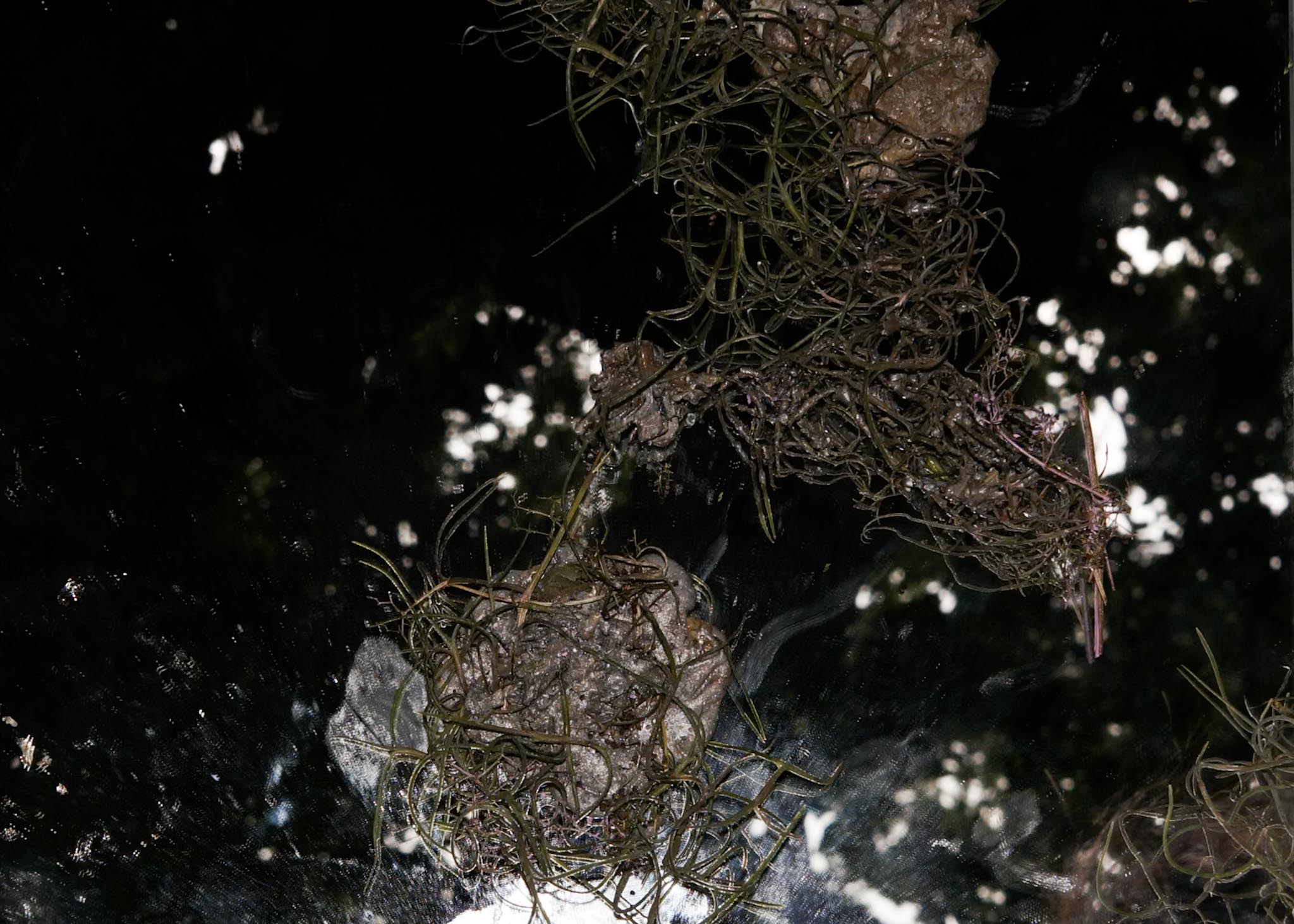
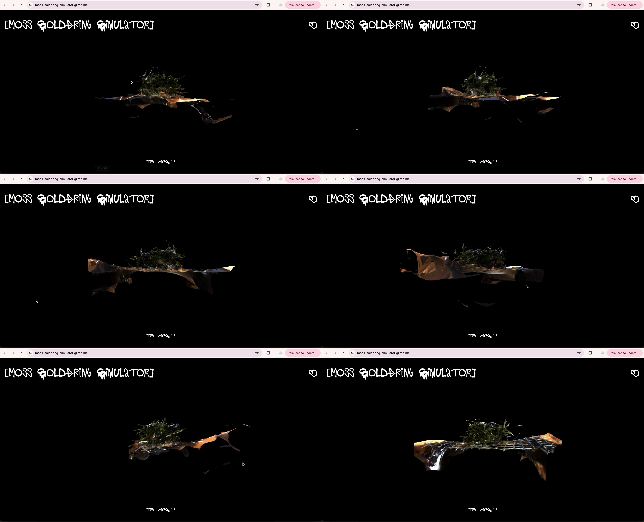
It is a multidisciplinary art project in which the physical process of creating form through metal soldering on moss is deconstructed through digitalisation.

Experiments_with_BrownianTrees_random.jpg

Created during "Transformative Futures" residency at Camden Arts Centre

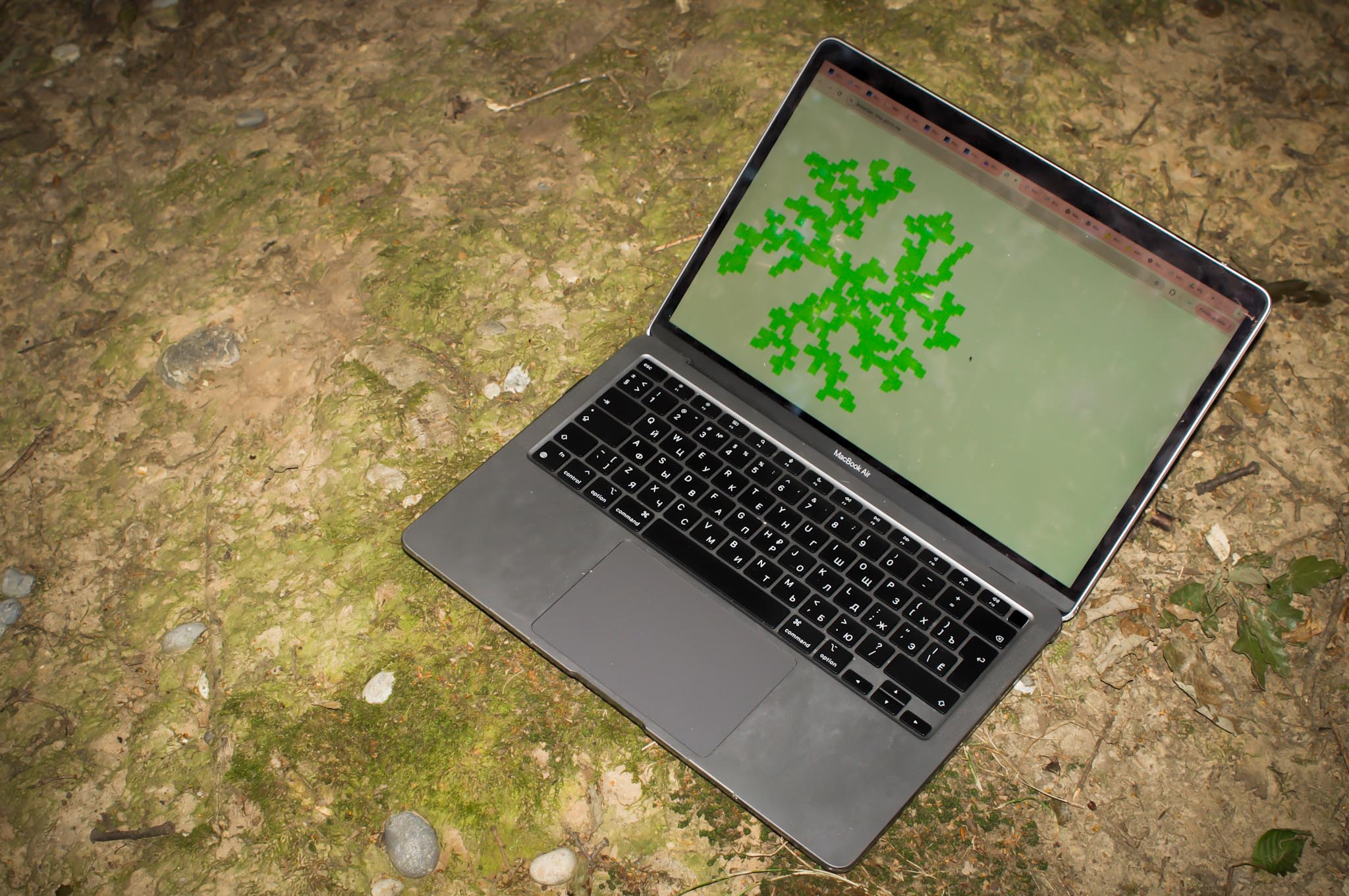
To translate moss into a simple digital structure I used Brownian trees because of their branching, dendritic pattern. I really like their high level of irregularities as that makes them a great tool for designing. I also used blender to translate the achieved patterns into 3D star like structures.

3d_prototype_movement.gif

3d_prototype.jpg

Experiments_with_BrownianTrees_and_gravity.gif

3D prototype (turntable)

Poster.jpg

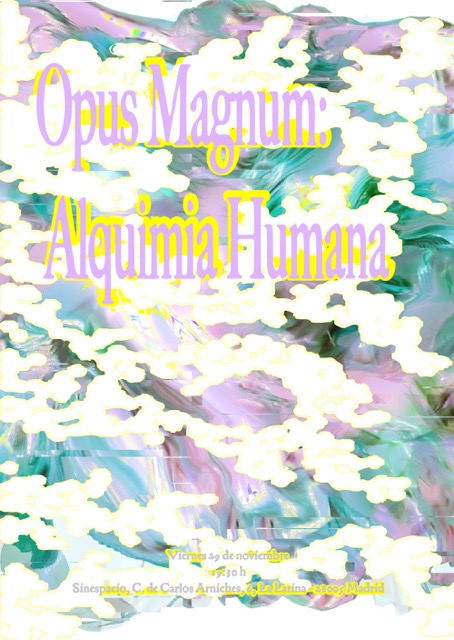
Poster designed with the help of a tool for an exhibition in Madrid, Spain

When experimenting with the code I really enjoyed the nature like flow if the form. That inspired me to make a Paint like drawing tool through introducing gravity. You can try the tool here:


Thank you!


Sofya Rakitina
Portfolio 2025